Fresh cow’s milk cheese seems like one of the most versatile items you can put in your fridge. And it truly is. How do we make it? Milk is curdled, the whey is separated, and what remains is a cheese with a mild, milky flavor and a texture that is perfect for spreading on bread, adding to a breakfast plate, or using as a filling for pies and traditional Easter cakes.
Lăptăria cu Caimac Fresh Cheese is made from partially skimmed, pasteurized cow’s milk, lactic cultures, and rennet. It contains 6% fat, has no added salt, and provides 15.7 g of protein per 100 g. Numbers are useful, but the taste, texture, and versatility tell the rest of the story. Let’s break it down: how it’s made, its benefits, and how it differs from cottage cheese.
In Short: Fresh cow’s milk cheese is a young cheese produced by curdling milk and draining a portion of the whey. Lăptăria cu Caimac Fresh Cheese contains 15.7 g of protein and 0.2 g of salt per 100 g (naturally occurring, no added salt). It fits just as naturally into a quick breakfast, a savory tart, or a family-recipe Easter pie.
What is fresh cow’s milk cheese?
Fresh cow’s milk cheese is an unripened cheese: after the milk coagulates and part of the whey is removed, the product is ready to consume without needing weeks or months of aging. This gives it its mild flavor, subtle tangy note, and fresh consistency.
“Fresh” refers not only to the flavor, but to the product category itself. “Drained” means that part of the whey – the liquid that separates after milk coagulates – has been removed. This leaves behind a concentrated curd, also containing the structural proteins that give the cheese its body.
In Romanian, the term “cow cheese” is used quite broadly. It can describe a smooth, cohesive cheese, a curdy one, or it is sometimes translated simply as cottage cheese. While these products are closely related, their processing, texture, and sodium levels differ. Reading the product label remains the best way to verify what you are buying.
The benefits of Fresh Cheese
When discussing the benefits of fresh cheese, we start from the premise that no single food can transform a diet on its own – but a well-chosen ingredient makes preparing a wholesome, balanced meal much easier.
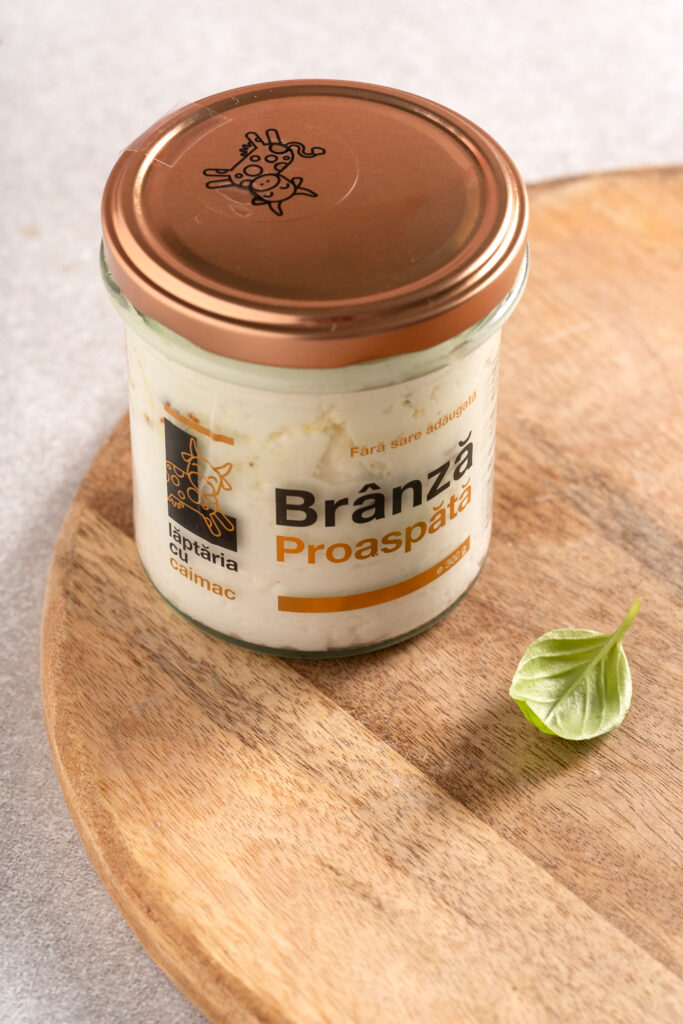
15.7 g of protein per 100 g
Fresh Cheese is high in protein, delivering 15.7 g per 100 g. Dietary protein contributes to the growth and maintenance of muscle mass, as well as the healthy bones. While important for everyone, these benefits are especially noticeable for active individuals who distribute their protein intake throughout the day.
Fresh cheese can easily be incorporated into breakfast, a post-workout snack, or a quick meal without requiring complex preparation. For reference, a 150 g serving provides approximately 23.6 g of protein. You can pair it with whole-grain bread and vegetables, blend it with fruit and nuts, or serve it alongside an omelet.
Note: Individual protein requirements vary based on body weight, physical activity type, workout intensity, and overall dietary pattern.
No added salt
Our Fresh Cheese contains 0.2 g of salt per 100 g, which occurs naturally in milk, it contains no added salt. This distinction is key: “salt-free” implies complete absence of sodium, whereas “no added salt” accurately reflects the recipe.
A low sodium content offers total culinary freedom. You can use the cheese in sweet desserts or savory dishes while maintaining full control over added seasoning.
What does 6% fat content mean?
It means the product contains 6 g of fat per 100 g. It is not a completely skimmed cheese; fat contributes to flavor, mouthfeel, and overall texture.
In pies, that 6% fat content keeps the filling moist and rich, avoiding the dry texture that even a generous dusting of powdered sugar cannot fix. In daily snacks, it adds richness to the plate. The balance of a meal is never judged by a single percentage, but by overall portion size, frequency, and whole-diet context.
Why is it ideal for pies?
Cheese intended for baking needs two main qualities: it must form a cohesive, smooth filling, and it must allow the key flavorings to shine through. Fresh Cheese has a compact texture that blends effortlessly with eggs, sour cream, vanilla, lemon zest or raisins.
Its subtle, clean taste balances sugars and rich aromas without overpowering them. It works brilliantly in stuffed crepes, fried cheese dumplings, tarts, cheesecakes, or any dessert requiring authentic dairy flavor and body.
Fresh cow’s milk cheese in weaning
Because Fresh Cheese is made from safe milk and contains no added salt, it can be an option introduced in age-appropriate amounts during the diversification of a baby’s diet (for infants without dietary restrictions or allergies).
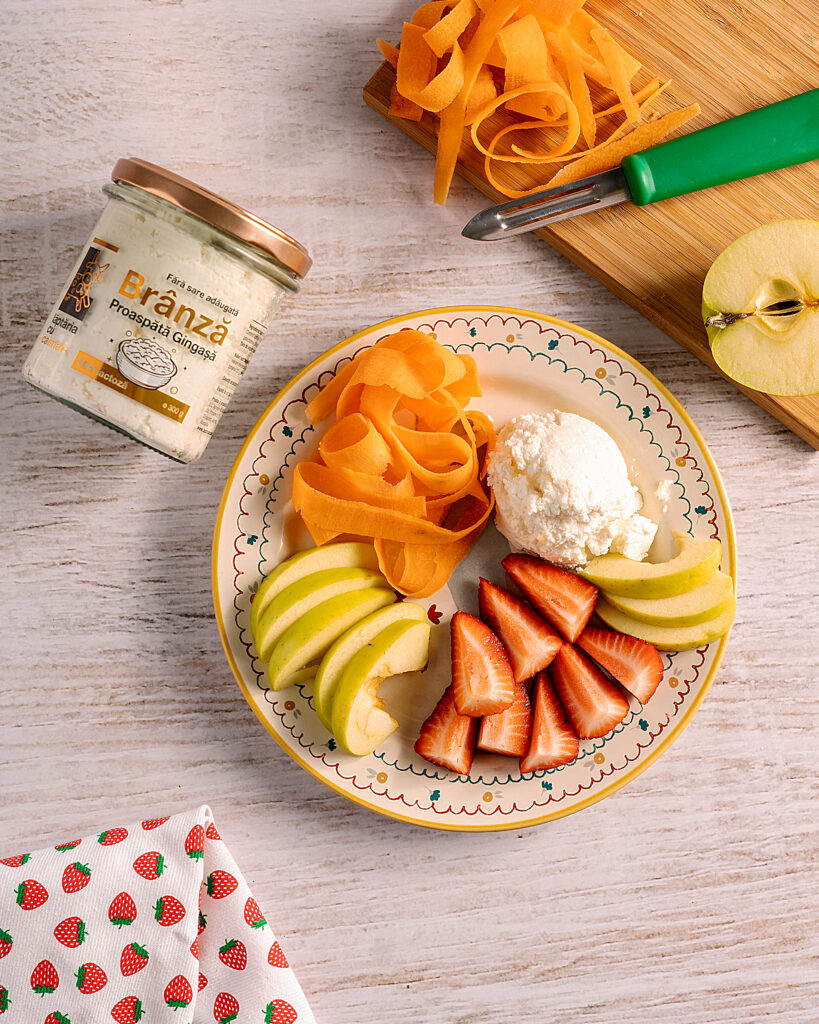
However, cow’s milk proteins are common allergens. When starting solid foods, potential allergenic foods should be introduced one at a time in small amounts to monitor for reactions. Fresh cheese is a complementary food: it does not replace recommended milk feedings for the child’s age, and it is best served alongside iron-rich foods, an essential nutrient during this developmental stage.
Every child develops at their own pace. If there are known allergies, intolerances, feeding difficulties, or specific medical conditions, always consult your pediatrician to tailor the introduction of solid foods.
Serving ideas
Thanks to its mild flavor, fresh cheese adapts seamlessly to both sweet and savory ingredients, pairing equally well with raw or roasted vegetables.
- For breakfast: On whole-wheat toast topped with tomatoes and fresh herbs; served alongside an omelet; or folded into fresh fruit, nuts, and a drizzle of honey.
- On-the-go snack: Blended with banana and oats; wrapped in a whole-grain tortilla with veggies; spread on whole-grain crackers with sliced bell peppers or cucumber; or added to a fruit and seed bowl.
- Post-workout: Paired with carbohydrates (whole-grain bread, fruit, potatoes, or rice) and proper hydration.
- Lunch or dinner: Mixed into pasta, omelets, savory tarts, stuffed peppers/zucchini, herb dips, or baked pies.
- In desserts: Traditional recipes, stuffed crepes, dessert tarts, or fruit creams, recipes where its firm texture holds up best.
- On a snack board: Served in a bowl surrounded by crusty bread, grapes, fresh pears, walnuts, tomatoes, and crisp garden vegetables.
Fresh Cheese – lactose-free option
For those who love fresh cheese but need to avoid lactose, we created Gingașă Fresh Cheese: a natural, lactose-free Romanian product with no added salt and only 1% fat. It features a smooth texture and mild flavor, making it suitable for pairing with fruit and vegetables, spreading on bread, or incorporating into baked dishes. It is available in a 300 g container- enough to serve the little ones with plenty left over for the rest of the family.

Frequently asked questions
Is fresh cow’s milk cheese the same as cottage cheese?
Classic cottage cheese consists of distinct individual curds suspended in cream and typically contains added salt. Lăptăria cu Caimac Fresh Cheese features a smooth, cohesive texture with no added salt.
Does fresh cow’s milk cheese contain lactose?
Yes, standard fresh cow’s milk cheese contains naturally occurring lactose. While draining whey removes a portion of the lactose, standard Fresh Cheese is not lactose-free. If you require a lactose-free option, select a specialized lactose-free product line such as our Gingașă range. (Note: Lactose-free products are still unsuitable for individuals with a cow’s milk protein allergy.)
Is Fresh Cheese high in protein?
Yes. Containing 15.7 g of protein per 100 g, the percentage of energy derived from protein exceeds the official European threshold required to make a “high protein” claim.
Is it suitable for athletes and active individuals?
Yes. It serves as a practical, dense food source of protein for active people. Protein supports the growth and maintenance of muscle mass, though total dietary needs depend on training volume and individual effort.
Does Lăptăria cu Caimac Fresh Cheese contain salt?
It contains 0.2 g of naturally occurring sodium/salt per 100 g from the milk itself, but features no added salt.
Pure, simple, and versatile
As a result of our gentle milk processing methods, we produce a protein-rich cheese with a mild flavor and a texture that works beautifully across many types of recipes. It is simple – and simple means clean ingredients, authentic taste, and a product that delivers quality without tricks or shortcuts. We dedicate it to those who live with joy and a passion for life, to those who choose balance and want pure dairy products and simple ingredients on their table.